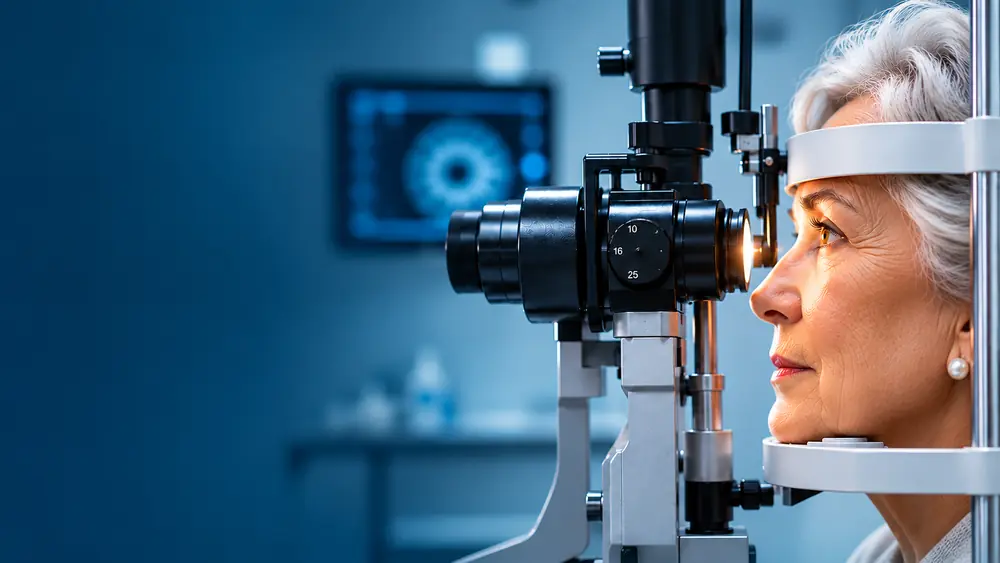
Cataract Surgery
Safe and effective procedure to restore vision compromised by lens opacification.
Learn MoreCataract surgery is indicated when the cataract impairs vision and interferes with daily activities. At Prata Oftalmologia, in São Paulo, the care is provided with modern technique, maximum safety, and humanized follow-up.
The procedure removes the opaque lens and replaces it with an intraocular lens, with generally fast recovery and detailed postoperative instructions.

Prata Oftalmologia • São Paulo
Comprehensive follow-up in all stages of cataract surgery.
Dr. Tiago Prata works in the diagnosis and treatment of cataract and glaucoma, based on scientific evidence, clinical experience, and personalized follow-up. At Prata Oftalmologia, the focus is on offering a safe journey: comprehensive evaluation, detailed guidance, and postoperative follow-up.
Cataract is a progressive and treatable condition. When vision begins to limit daily activities, surgery may be indicated — always after medical evaluation.
A safe procedure that removes the opaque lens and replaces it with an intraocular lens. The indication is personalized and based on a comprehensive ophthalmological evaluation.
In general, when the cataract impairs vision and interferes with daily activities. The decision is made during a consultation, considering symptoms, exams, and visual needs.
It is usually performed under local anesthesia, with short duration and progressive recovery. After removing the opaque lens, an intraocular lens is implanted according to personalized indication.
The choice of lens depends on a personalized evaluation. There are options that correct distance vision, near vision, or both, always aligned with the patient's lifestyle and visual goals.
Important: cataract is treatable, and the surgical indication is always based on consultation, examination, and functional need. In case of doubts, the team guides each stage of the pre and postoperative period.
Professor • Researcher • Surgeon
CRM: SP 109791
Professor of the Ophthalmology Department of the Paulista School of Medicine - UNIFESP.
Has extensive clinical and surgical experience in Glaucoma and Cataract.
Ophthalmologist graduated from the Paulista School of Medicine – UNIFESP, where he also completed his specialization in the area of Glaucoma. Completed his PhD and Post-doctorate in Ophthalmology and Visual Sciences from UNIFESP/EPM.
Completed his post-graduate studies in clinical research in Glaucoma in New York, USA, at the New York Eye and Ear Infirmary / New York Medical College.
Affiliate Professor and Post-Graduate Advisor in the Ophthalmology Department at UNIFESP/EPM, working in the Glaucoma Sector since 2006
Associate Researcher at Mayo Clinic (USA), since 2018
Clinical Coordinator of the Glaucoma Institute
Director of the Brazilian Glaucoma Society since 2015
Member of the American Academy of Ophthalmology, Pan-American Association of Ophthalmology, and ARVO – Association for Research in Vision and Ophthalmology
Received several academic awards:
Best Work – CBO 2010
Renato de Toledo Award
ARVO International Travel Grant
Best Advisor for Master's and Doctoral Theses – UNIFESP (2016–2018)
Author of more than 150 scientific articles and book chapters. Recent highlights:
15 years of experience in minimally invasive glaucoma surgeries (MIGS) – Arq Bras Oftalmol (2023)
Correlation of optic nerve hemoglobin levels with structural and functional parameters in glaucoma
Variability of Heidelberg Retina Tomograph III measurements in patients with newly diagnosed glaucoma – Arq Bras Oftalmol (2010)
Safe and effective procedure to restore vision compromised by lens opacification.
Learn More
Intraocular pressure control with eye drops, laser, and surgery, according to individualized indication.
Learn More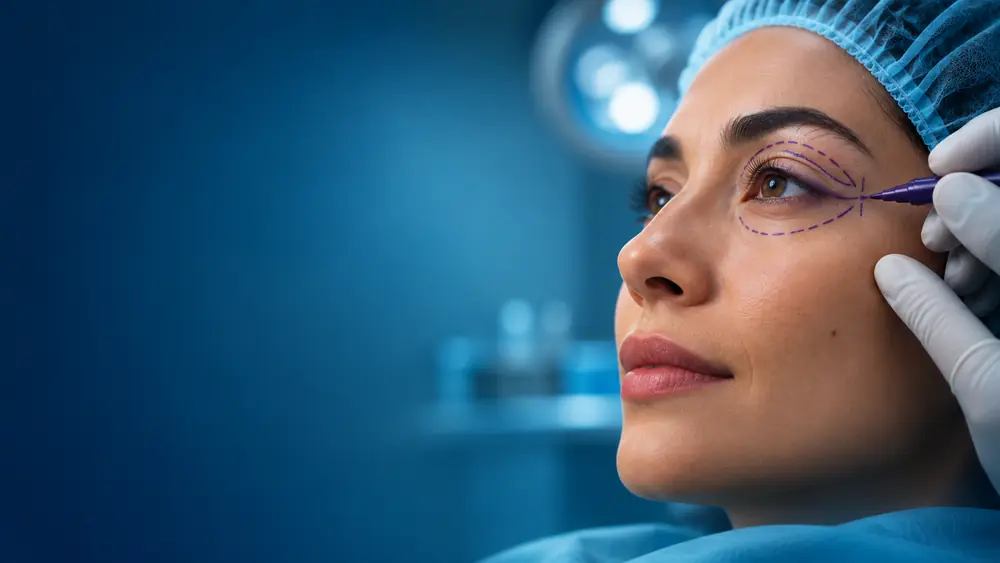
Functional and aesthetic techniques that respect the delicate anatomy of the region, with naturalness and safety.
Learn More
Humanized care for children, prioritizing early diagnosis and safe interventions.
Learn MoreVerified reviews on Doctoralia
About this content
Informational content. It does not replace a medical consultation. Diagnosis and treatment depend on an individual evaluation.
References and further reading